
The Evolution of Casino Architecture and Design
Casino architecture has undergone a significant transformation over the decades, moving from simple, functional spaces to elaborate themed environments designed to immerse players in an experience. Early gambling halls were often understated, focusing on the games themselves rather than the surrounding aesthetics. However, as the industry matured, so did the understanding of how physical space could influence patron behaviour and spending. This evolution reflects a growing appreciation for the psychological impact of design on the gambling experience, a concept that modern establishments, including those subtly referenced by Australia’s cartographic heritage, have come to master. The detailed historical maps and surveys found on sites like best pokies offer a fascinating parallel to the meticulous planning involved in creating immersive casino environments.
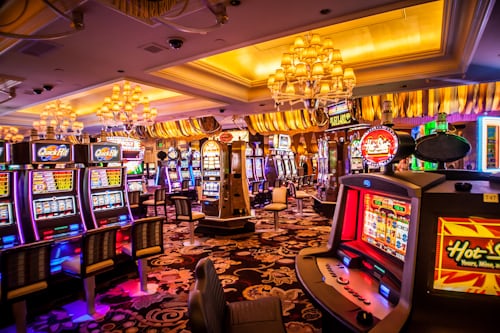
Contemporary casinos often incorporate vast, open-plan layouts that maximize visibility and flow, while also utilizing sophisticated lighting and sound systems to create a specific mood. The integration of diverse entertainment options, from fine dining to live performances, further blurs the lines between a gambling venue and a comprehensive entertainment resort. This holistic approach to design aims to keep patrons engaged for longer periods, turning a simple casino night into an extended, multi-faceted event.
Understanding the Psychology of Casino Layouts
The physical layout of a casino is not accidental; it’s meticulously planned to influence player behaviour. For instance, the absence of clocks and windows in many gaming floors is a deliberate strategy to disorient patrons from the passage of time, encouraging extended play. Aisles are typically wide and unobstructed, leading players naturally towards the gaming areas, while high-traffic games like slot machines are often placed at strategic points to draw attention. This careful arrangement is a core component of the gambling structure, influencing the duration and intensity of a casino night.
Furthermore, the placement of high-stakes tables and VIP areas often involves more secluded and luxurious settings, providing a sense of exclusivity and privacy. This tiered approach caters to different player segments, enhancing their individual experiences. The overarching goal is to create an environment where guests feel comfortable, stimulated, and encouraged to explore the various offerings, making each casino night a unique adventure.
Innovations in Gaming Floor Technology
Modern casinos are increasingly integrating cutting-edge technology to enhance the gaming experience. Interactive displays, augmented reality features, and sophisticated data analytics are becoming standard. These innovations not only streamline operations but also offer players more engaging and personalized interactions. The pursuit of technological advancement is a constant in the casino world, aiming to keep the thrill of a casino night fresh and exciting.
For example, the use of RFID chips in table games provides real-time tracking of wagers and player activity, enhancing security and efficiency. Similarly, loyalty programs are often integrated with mobile apps, allowing players to track their rewards and access exclusive promotions seamlessly. This technological evolution is deeply intertwined with the very fabric of how a casino night is structured and experienced.
The Role of Theming and Ambiance in Casino Design
Theming plays a crucial role in setting the mood and creating a memorable experience for casino patrons. Whether it’s a lavish Las Vegas-style resort or a more intimate, boutique establishment, the chosen theme influences everything from the décor and lighting to the staff uniforms and even the music. This curated ambiance is designed to transport guests, making their casino night feel like an escape from the ordinary.
The integration of thematic elements can create a powerful sense of immersion. For instance, a casino themed around ancient Egypt might feature hieroglyphic motifs, sandy-coloured carpets, and ambient desert sounds. Such detailed theming, akin to the meticulous detail found in historical Australian maps, contributes significantly to the overall allure of the gambling establishment, encouraging longer stays and repeat visits for that perfect casino night.

Exploring Australia’s Cartographic Heritage and its Connection to Structured Experiences
While seemingly distinct, the meticulous organization and detailed representation found in Australia’s cartographic heritage, as showcased on websites like `australiaonthemap.org.au`, share a conceptual kinship with the structured environments of casinos. Both rely on precision, detailed planning, and the creation of immersive worlds for their audience. The evolution of map-making in Australia, from early colonial surveys to contemporary digital representations, mirrors the development of complex casino layouts designed to guide and engage visitors, enhancing their overall experience, much like a well-charted journey.
The dedication to accurately depicting geographical features and boundaries in Australian maps reflects a commitment to clarity and comprehensiveness, principles that are also fundamental to the successful operation of a casino. Just as cartographers meticulously chart landmasses, casinos are expertly designed to channel foot traffic, highlight key attractions, and provide a structured, yet exciting, environment for patrons. This underlying principle of deliberate structuring, evident in both cartography and casino design, ultimately enhances the user’s journey, ensuring a predictable yet thrilling outcome for their casino night.